China Hangzhou City: A Cultural and Scenic Gem of Southeast China
Updated

China Hangzhou City: A Cultural and Scenic Gem of Southeast China
China Hangzhou City, the capital of Zhejiang Province, is one of the most celebrated cities in China. Located in southeast China along the Qiantang River, this populous city has been admired since ancient times for its beauty, culture, and historical importance. Known as one of the ancient capitals of Chinese civilization, Hangzhou blends historical and cultural heritage with many recent urban developments, making it one of the most fascinating international destinations today.
West Lake: A UNESCO World Heritage Site
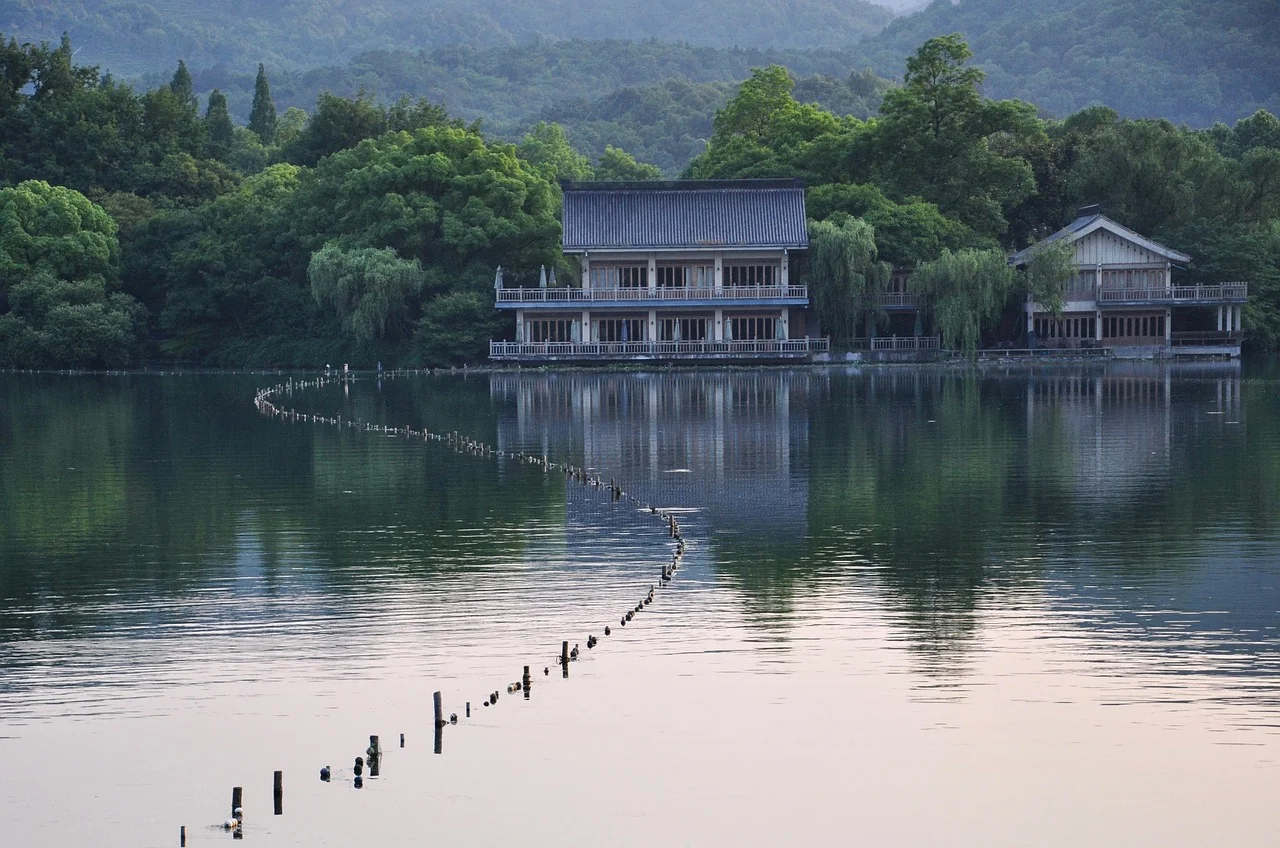
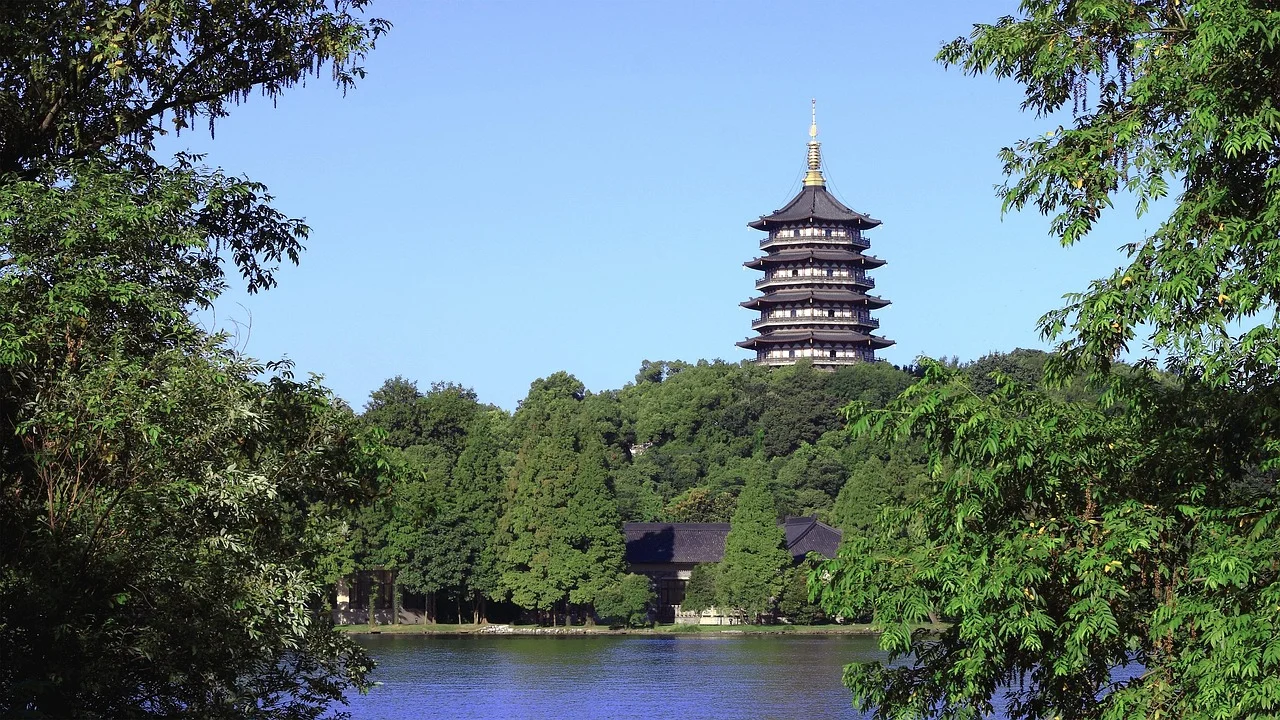
The heart of Hangzhou is the breathtaking West Lake cultural landscape, a UNESCO World Heritage Site surrounded by scenic hills, ornamental trees, and numerous temples. The lake’s artificial islands, classical garden design, and iconic pagodas reflect Chinese aesthetics developed during the Southern Song Dynasty. Known as “Heaven on Earth,” West Lake continues to inspire poets, artists, and local people.
Historical and Cultural Heritage of Hangzhou
Hangzhou was once the southern terminus of the Grand Canal, linking it to northern China and other major cities such as Beijing, Shanghai, and Guangzhou. During the Tang Dynasty, it was the Hang Prefecture, and under the Song Dynasty, it became the capital of Zhejiang and later the capital during the Southern Song period. The Yuan Dynasty and later dynasties preserved and enriched its cultural heritage, leaving behind notable historic sites and cultural sites that remain popular sights today.
Scenic Places and Cultural Sites
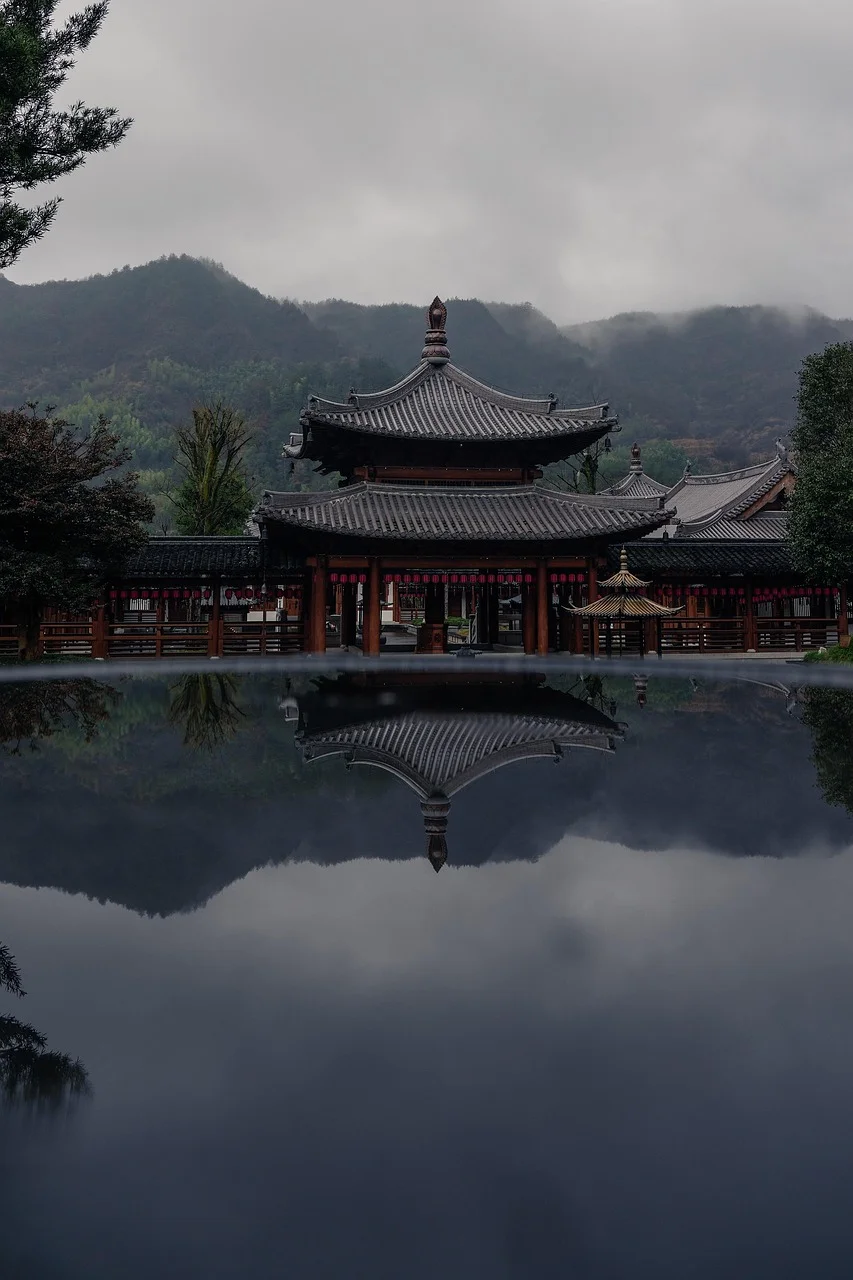
- Lingyin Temple – One of the most important temples in Chinese civilization, featuring impressive statues and carvings.
- Longjing Tea Plantations – Famous worldwide, Longjing tea is still cultivated on the hills surrounding Hangzhou.
- Pagodas and Gardens – From Leifeng Pagoda to traditional gardens, Hangzhou is filled with scenic and spiritual treasures.
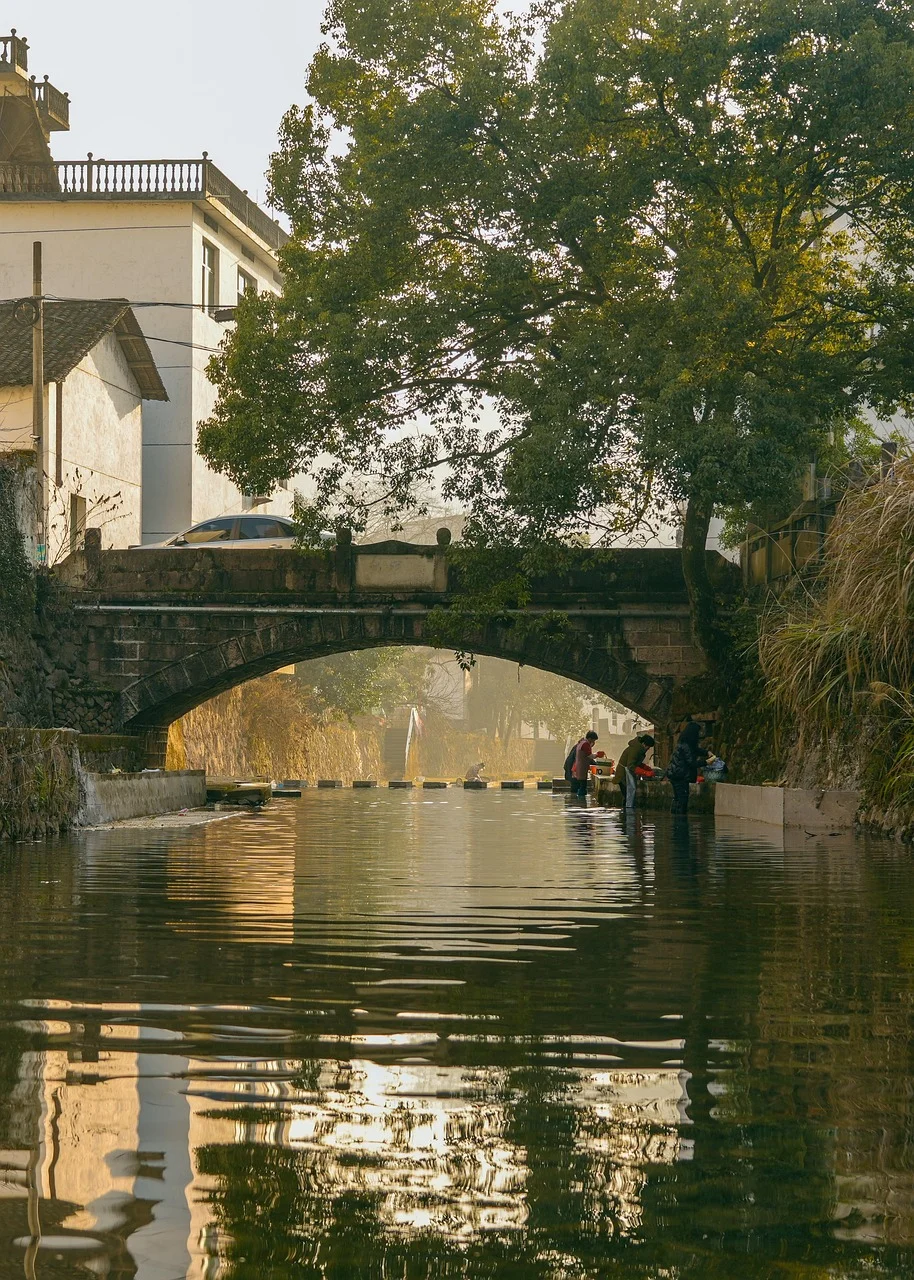
- Grand Canal – A marvel of ancient engineering and an important factor in trade, connecting Hangzhou with northern China.
Hangzhou’s Economy and Modern Developments
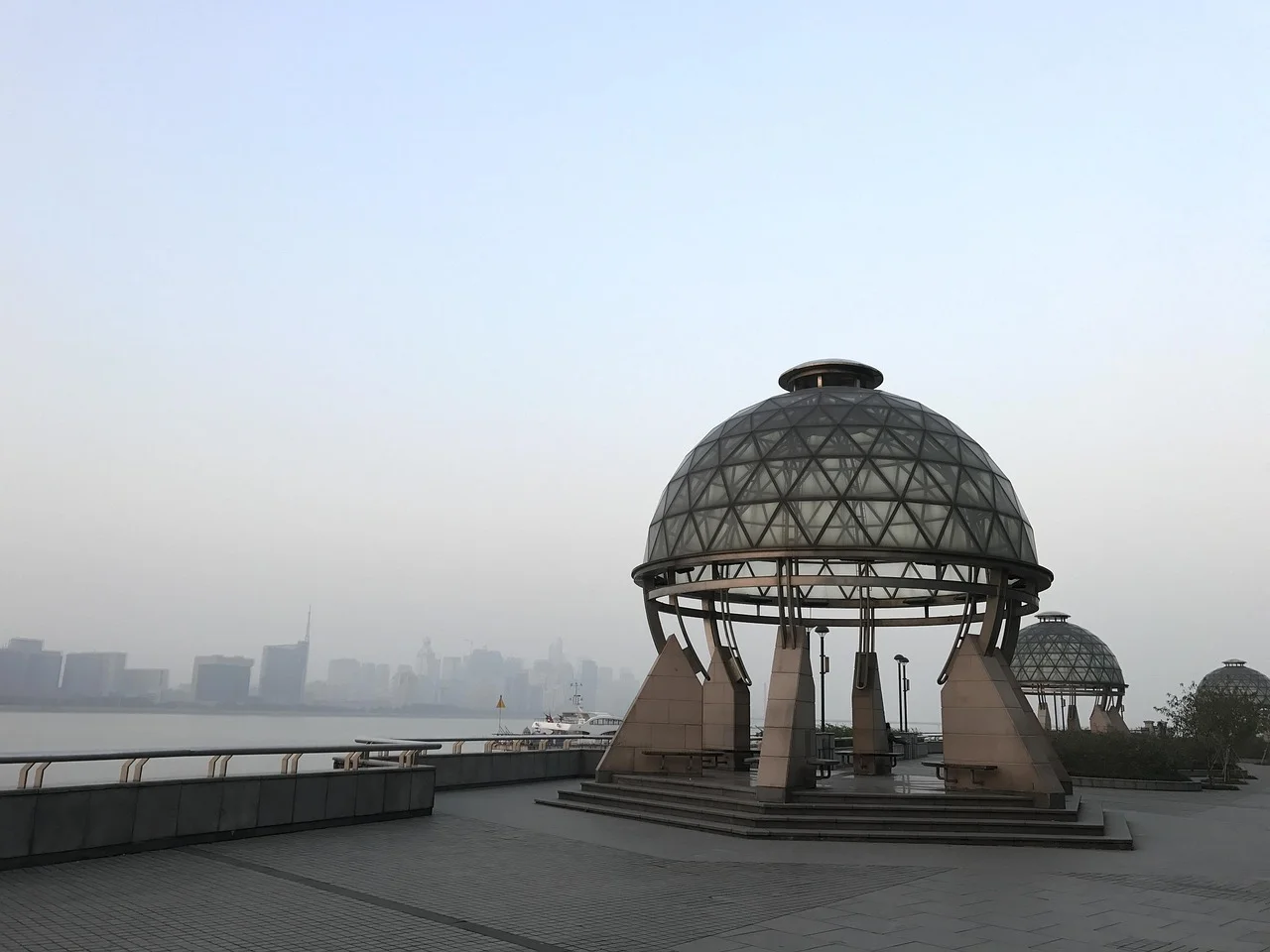
While rich in history and cultural heritage, Hangzhou’s economy is now one of the fastest-growing among cities in China. Known for important industries such as technology, silk, and tea, it has seen many recent urban developments and the rise of a new city alongside its historic centre. Supported by the Hangzhou Municipal People’s Government, the city has positioned itself as a hub between China and the world, attracting visitors from Japan, Shenzhen, and beyond.

Local Experiences in Hangzhou
- Local dishes such as Beggar’s Chicken and Dongpo Pork reflect the richness of Hangzhou’s culture.
- A stroll through the historic cultural sites around West Lake reveals ancient times when Marco Polo called Hangzhou the “finest and most splendid city in the world.”
- Enjoying local wine, walking tours, and tourism around the north bank of the lake make it ideal for art lovers and history enthusiasts alike.
FAQs
1. Why is Hangzhou famous?
Hangzhou is famous for the West Lake Cultural Landscape, its world-renowned Longjing tea, traditional silk, rich cultural heritage, and its historical significance as one of China’s ancient capitals.
2. Is Hangzhou cheap or expensive?
Hangzhou is considered moderately priced—it is generally cheaper than Shanghai or Beijing, but slightly more expensive than smaller cities in China due to its popularity as a tourist destination.
3. What language is spoken in Hangzhou?
The main language spoken in Hangzhou is Mandarin Chinese, although locals also speak the Hangzhou dialect, which is a variant of Wu Chinese.
4. Is Hangzhou close to Shanghai?
Yes, Hangzhou is located about 175 km from Shanghai, which is roughly one hour by high-speed train, making it a convenient destination for day trips or short visits.
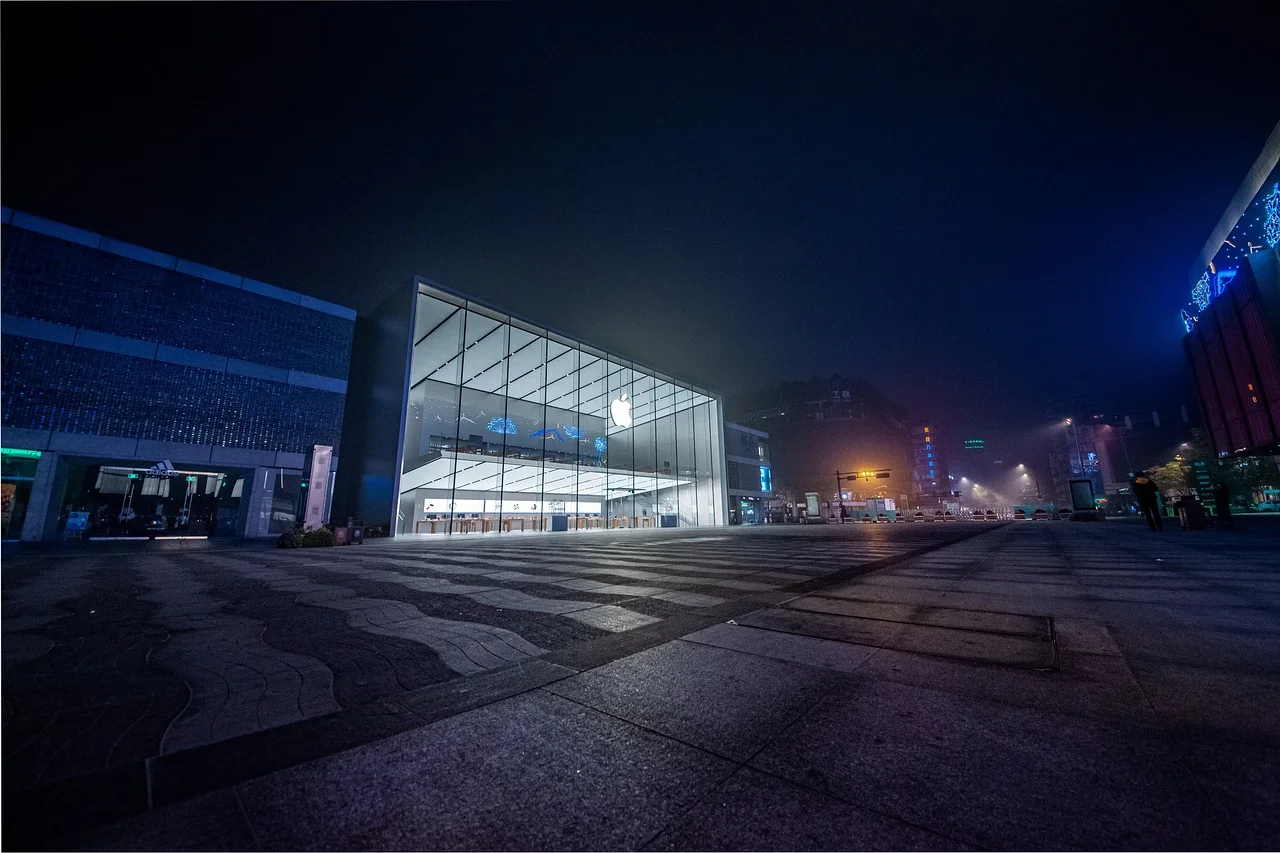
Why Visit Hangzhou?
From its scenic places and famous cultural sites to its role as a capital of Zhejiang and a hub of trade, China Hangzhou City is one of the top international destinations. Its mix of ancient wonders, recent urban developments, and local people’s hospitality ensures every visitor can discover both historic treasures and modern vibrancy.
Hangzhou, as an administrative division of Zhejiang Province, is surrounded by several counties that showcase local culture and scenic beauty. Based on a just estimate of population data, an estimate thereof indicates that it is one of the most populous and largest cities in southeast China. According to China Daily, Hangzhou continues to grow rapidly while balancing modern urban life with its rich cultural heritage.
Read Next:China Harbin: Explore the Ice City of Northeast China