China Harbin: Explore the Ice City of Northeast China
Updated
China Harbin: Explore the Ice City of Northeast China
China Harbin, the largest city in Heilongjiang Province, is a fascinating urban area in northeast China. Known worldwide as the Ice City, Harbin attracts travelers with its Harbin Ice Festival, ice and snow sculptures, and unique blend of Russian influence and Chinese culture. Often called the Oriental Moscow or Oriental Paris, Harbin offers a mix of history, winter attractions, and modern international metropolis vibes.
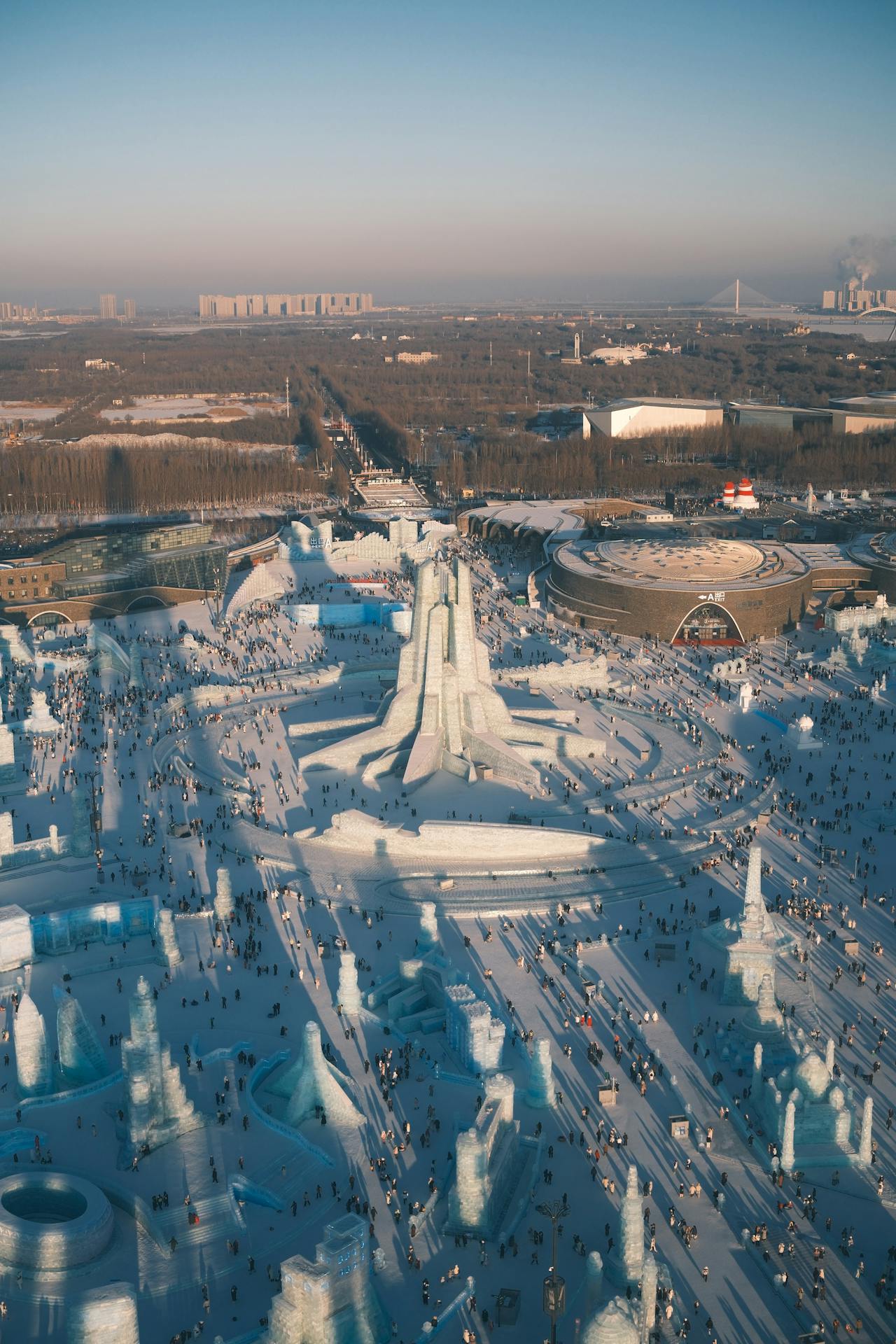
Harbin Ice Festival – A Winter Wonderland
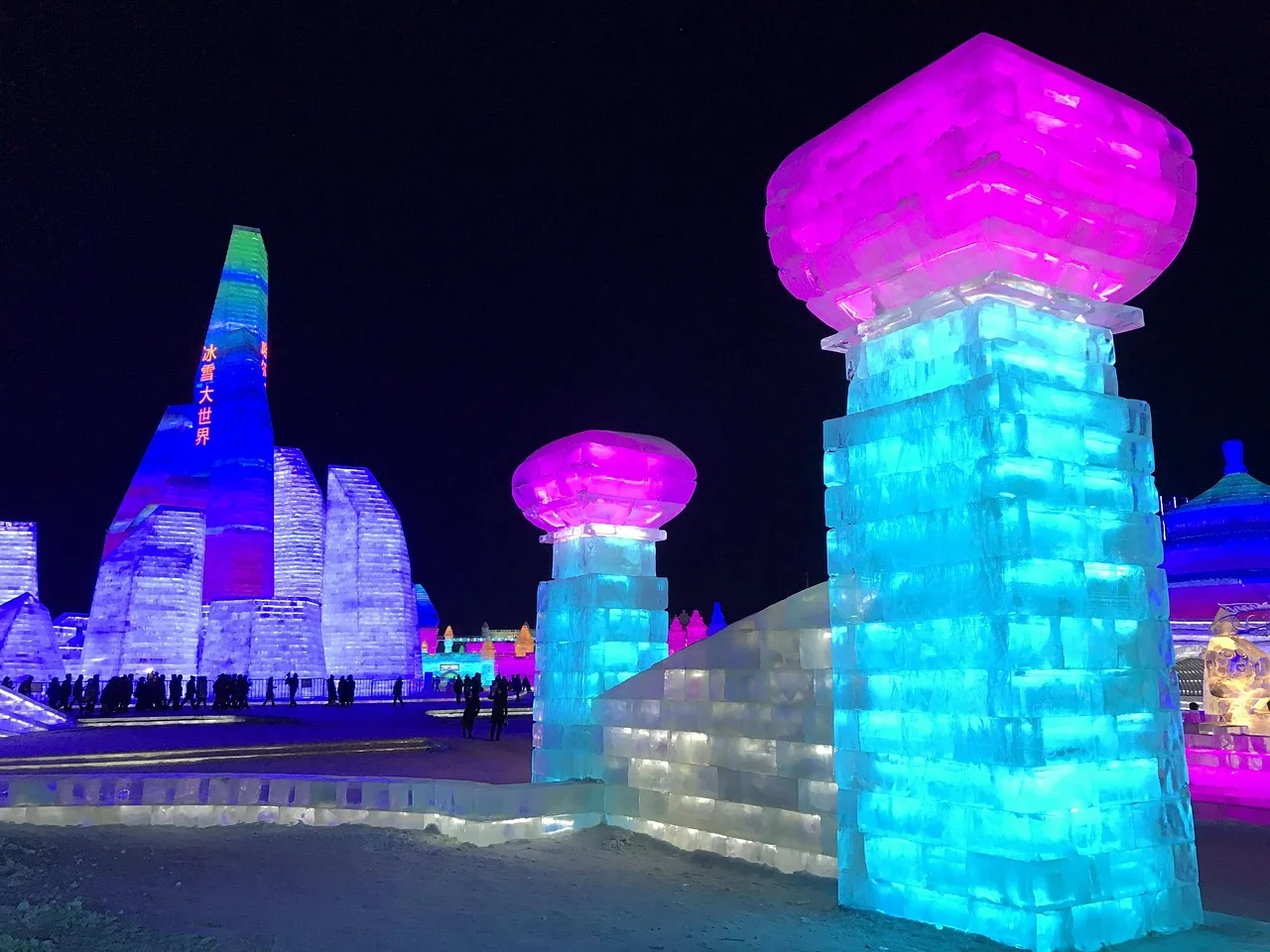
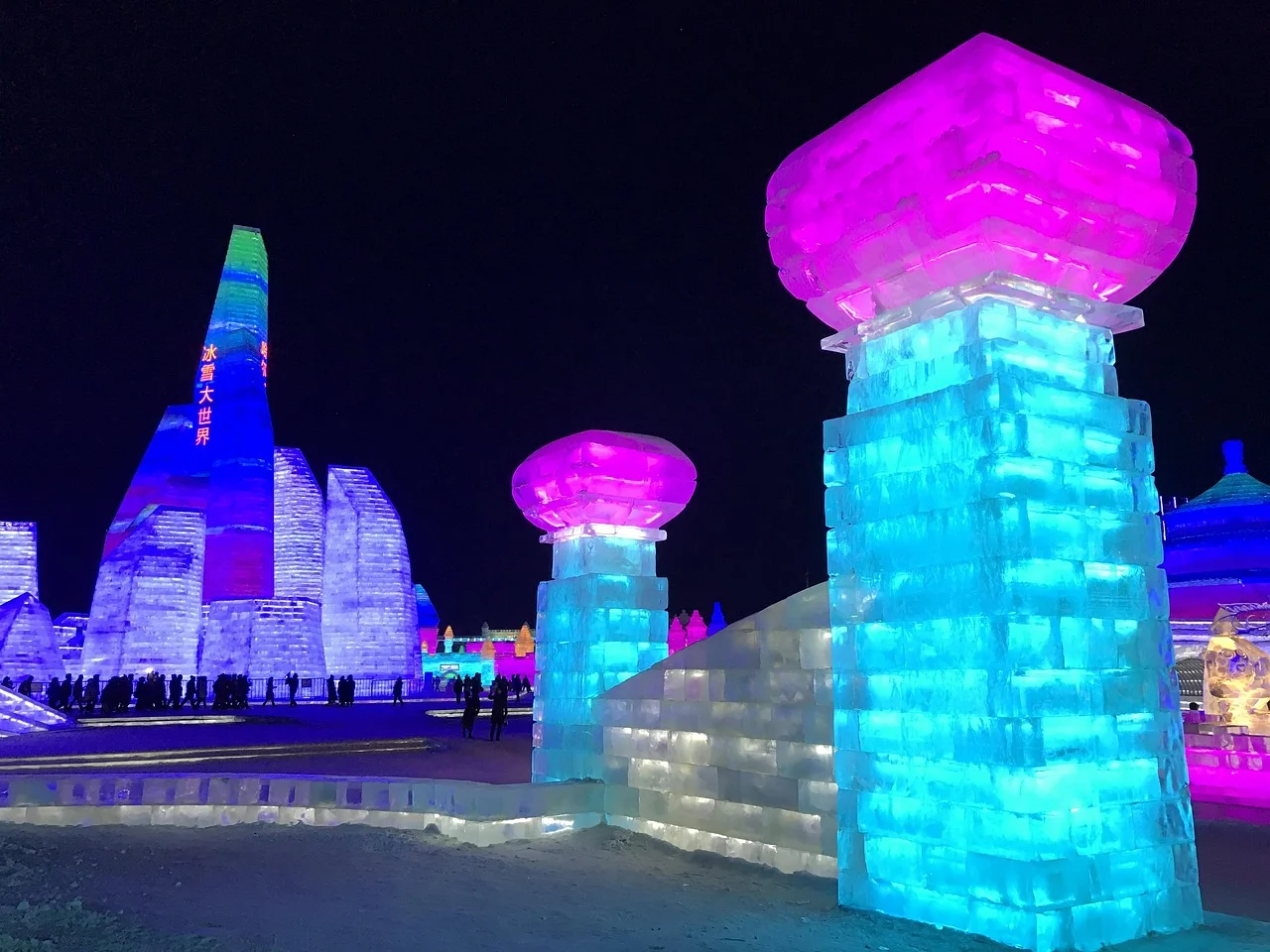
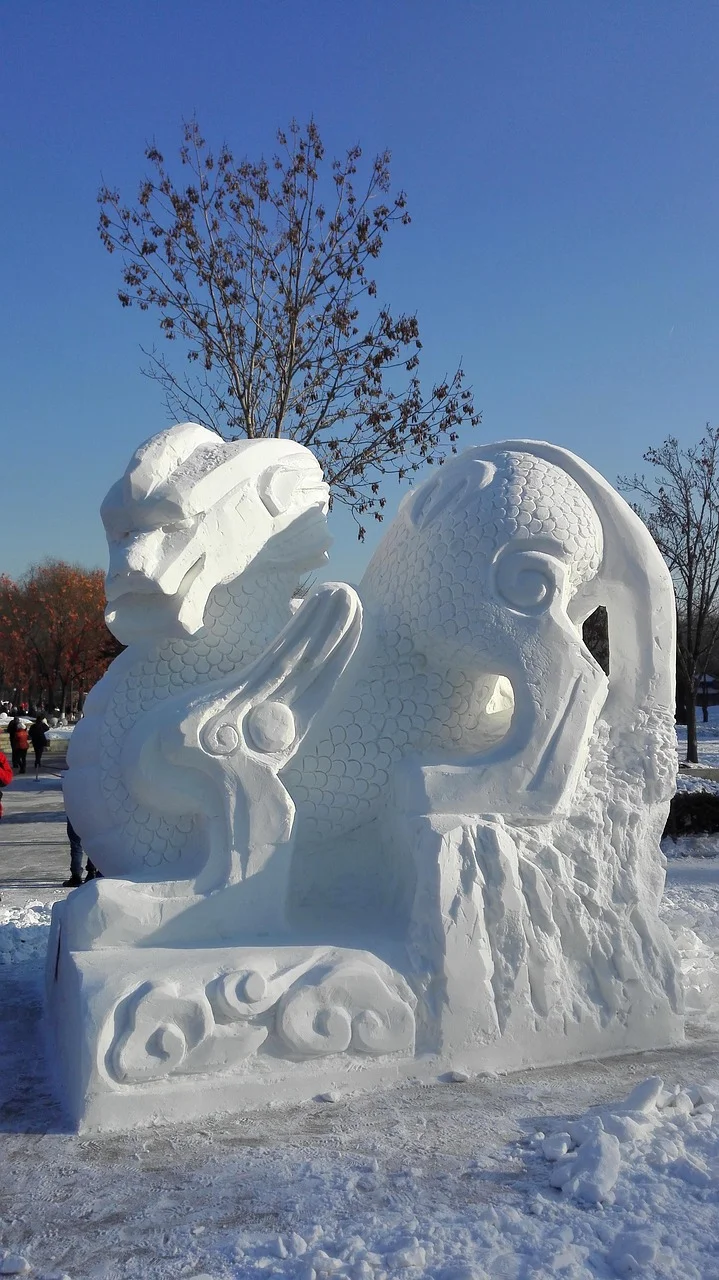
The Harbin Ice Festival or Harbin International Ice Festival is a must-see for any visitor. Held in the coldest month, it features ice sculptures, snow sculptures, and elaborate displays at Zhaolin Park, Sun Island, and Snow World. Visitors enjoy snow recreations, ice slides, and the largest ice structures illuminated at night. Harbin’s winter activities make it one of Asia’s most popular destinations.
History and Russian Influence
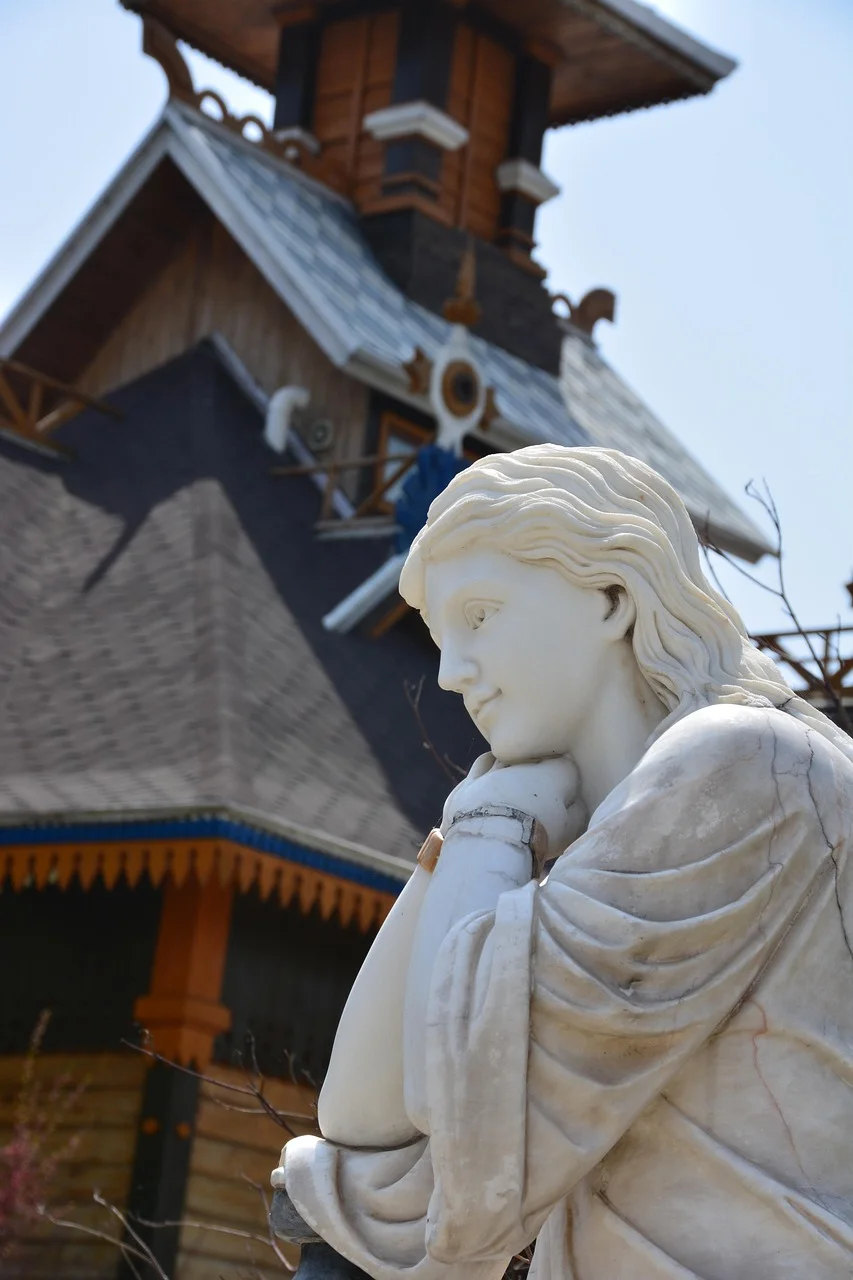
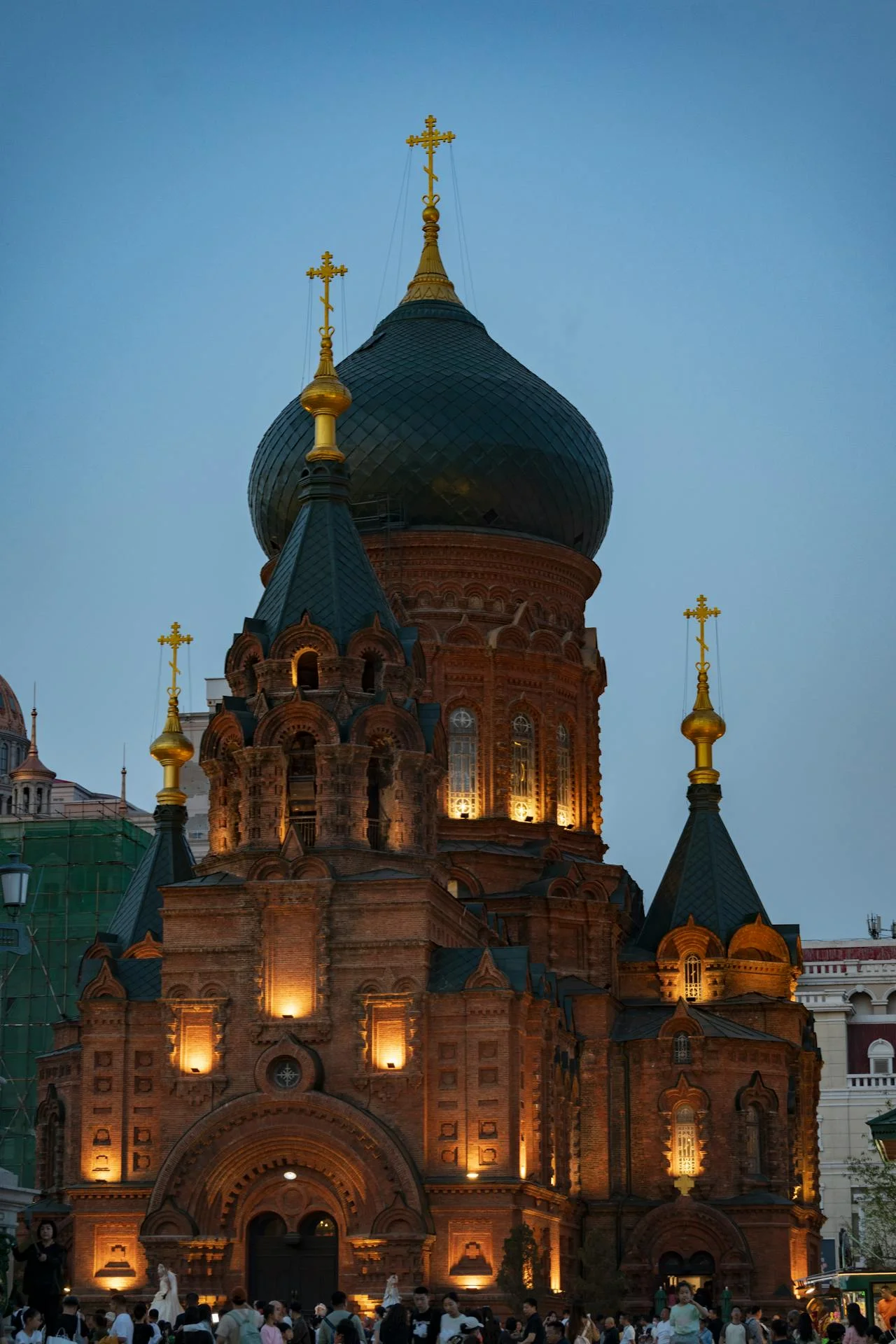
Harbin’s rich history stems from its days under the Russian Empire and the construction of the Chinese Eastern Railway, making it a key hub in north China. This period brought Russian imperialism, orthodox churches, and Russian culture to the city. Landmarks like Sophia Cathedral (Sophia Church), Stalin Park, and the historic streets of Zhongyang Street reflect the city’s European influence. Harbin also became a China’s base for commodity grain trade and development along the Songhua River.
Exploring Harbin City
Harbin city is home to major Chinese cities infrastructure while maintaining its unique ethnic groups and ethnic minorities. Key attractions in the city center and beyond include:
- Harbin Railway Station – Connects Harbin to Beijing, Shanghai, and other Chinese cities.
- Harbin Taiping International Airport – Provides access for international travelers.
- Daoli District – Famous for Russian architecture and cafes.
- Stalin Park – Ideal for winter strolls along the south bank of the Songhua River.
- Zhaolin Park & Snow World – Showcase the largest ice and snow sculptures.
- Sophia Cathedral – Reflects Harbin’s Russian influence and orthodox church heritage.
- Harbin Institute – Educational and cultural significance for the Chinese population.
Originally a small fishing village, Harbin grew into a populous city on the southeastern edge of the Mongolian Plateau, becoming a center of Russian imperialism and trade with Siberia, Korea, and Japan.
Winter Activities and Attractions
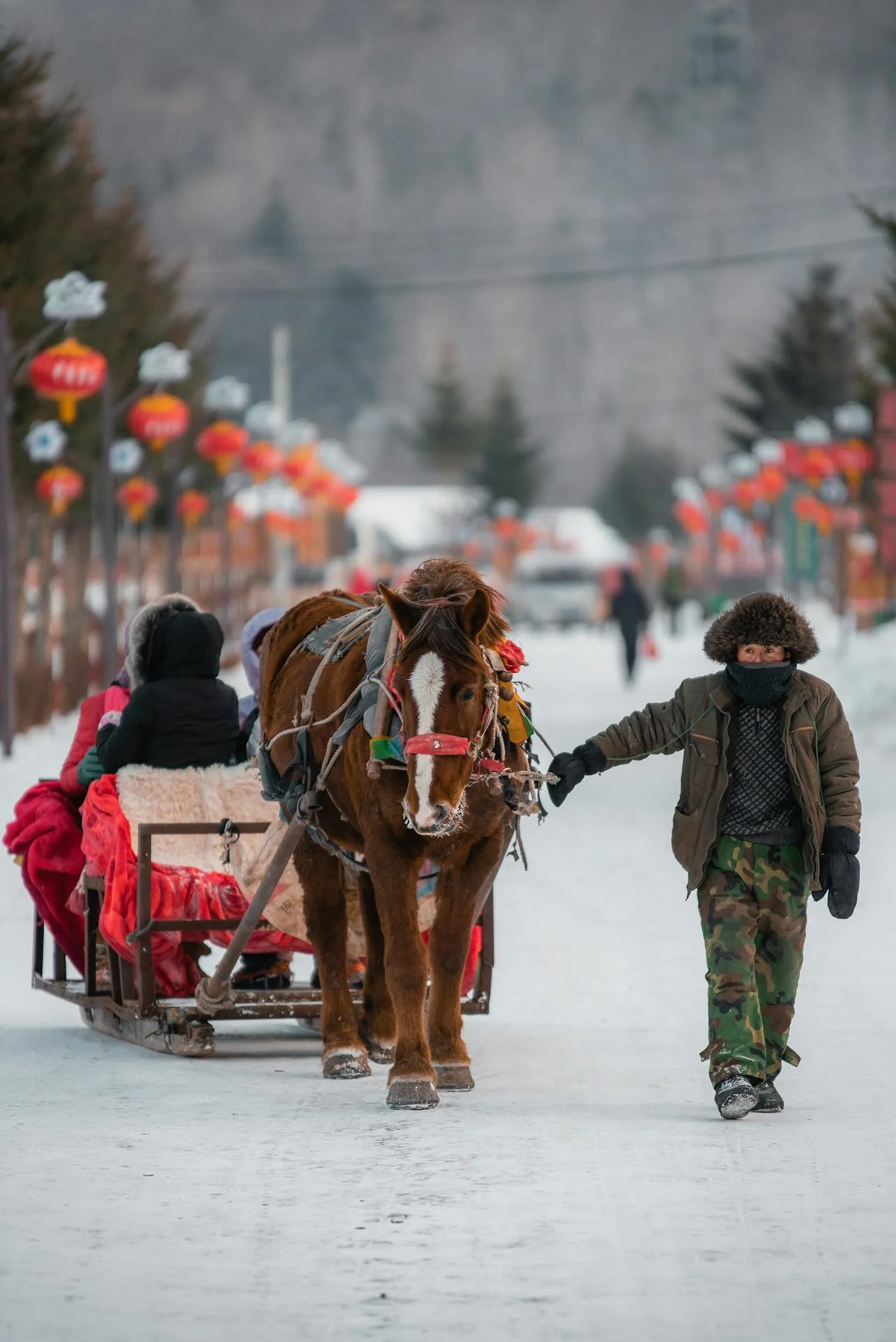
Harbin tour experiences are centered around winter. Visitors can enjoy:
- Harbin Ice Festival and Harbin International Ice displays
- Ice sculptures at Sun Island and Zhaolin Park
- Snow recreations at Snow World
- Strolling historic streets of the city center and Daoli District
- Ice skating on the Songhua River
Harbin offers something for everyone—from families enjoying snow and ice to cultural enthusiasts exploring Russian imperial architecture.
Harbin’s Strategic Location
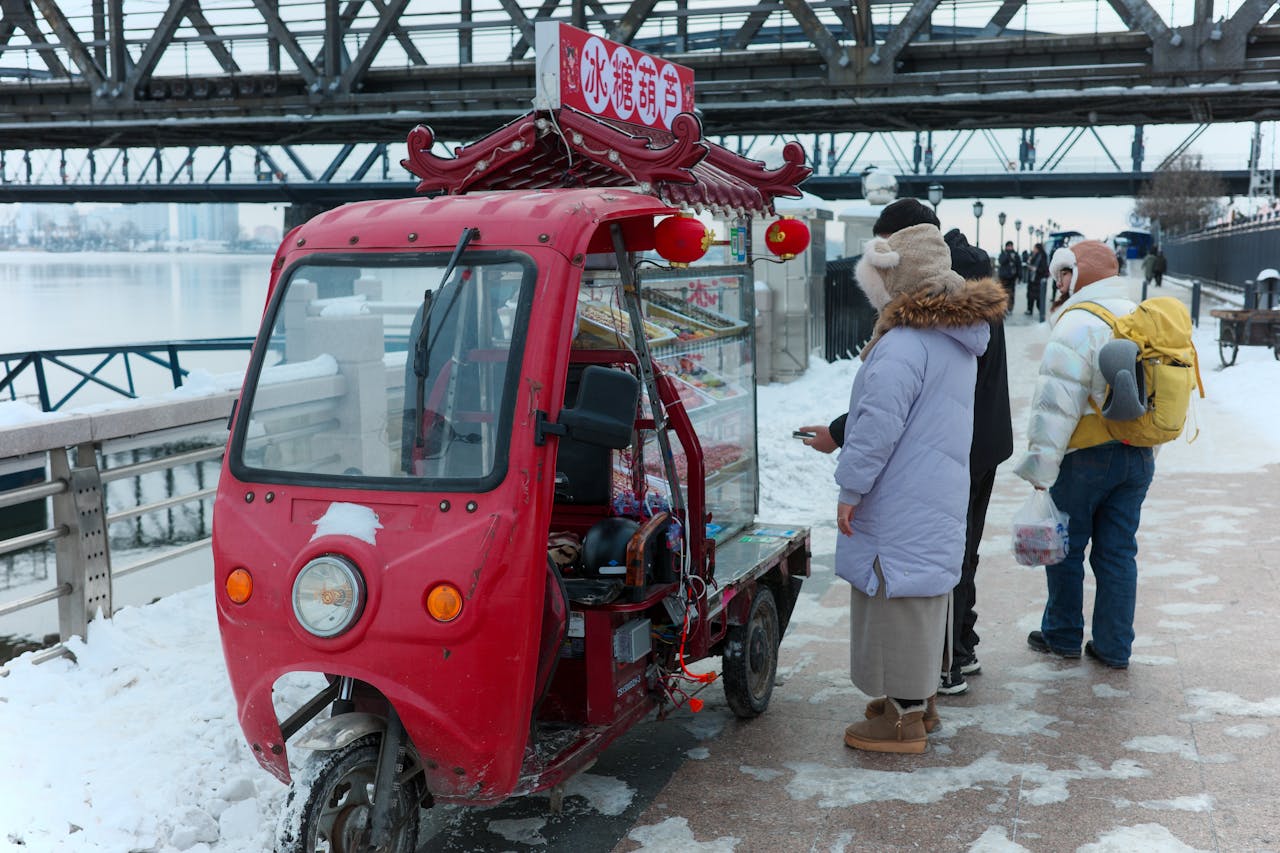
Harbin’s ideal location in northeast China provides a gateway to north China and Asia, connecting major Chinese cities through rail and air. Its position on the southeastern edge of the Mongolian Plateau and near Siberia has shaped its unique climate, history, and ethnic diversity.
Travel Tips
- Access: Fly into Harbin Taiping International Airport or take the Harbin Railway Station.
- Season: Visit during the coldest month to experience the Ice City at its peak.
- Culture: Explore Russian culture, orthodox churches, and ethnic groups.
- Districts: Daoli District and city center are ideal for sightseeing.
FAQs
What is Harbin famous for?
Harbin, located in northeast China, is world-famous for its Ice and Snow Festival, ice and snow sculptures, and winter snow festival attractions. The city, often called the Ice City, also draws visitors with its historic Russian influence, Sophia Cathedral, and unique winter activities along the Songhua River.
Is Harbin always cold?
Harbin experiences extremely cold winters, with snow covering the city during the coldest month. Its climate, combined with annual precipitation, creates ideal conditions for the ice and snow festival and the stunning ice and snow sculptures displayed throughout the city.
Is Harbin near to Russia?
Yes, Harbin is in northeast China and has historically been influenced by Russia due to the Chinese Eastern Railway and Russian imperialism. While not directly bordering Russia, the city’s Russian culture and architecture make it feel like a piece of Russia in China.
What language is spoken in Harbin China?
The overwhelming majority of Harbin’s residents speak Chinese, although the city’s history under Russian influence means you may also encounter signs or phrases in Russian. Additionally, Japanese and Korean visitors often travel to Harbin for its ice and snow festival and winter tourism activities.
Conclusion
China Harbin is a one-of-a-kind ice city, where Russian influence meets Chinese civilization. From the dazzling Harbin Ice Festival and snow sculptures to historic landmarks like Sophia Cathedral, Harbin combines history, winter tourism, and modern international metropolis living. Whether exploring northeast China, enjoying winter activities, or discovering its European influence, Harbin is a must-visit popular destination in China and the far east.
Read Next: Discover the 12 Best Hidden Gems Hong Kong Has to Offer