Discover 12 Historical Sites in Berlin That Tell the City's Extraordinary Story
Updated
Discover 12 Historical Sites in Berlin That Tell the City's Extraordinary Story
Berlin is not just a capital city—it's a living archive of world-changing events. From Prussian royalty to the Third Reich, the Cold War, and reunification, the city is packed with historical sites that capture moments that shaped Germany, Europe, and the world. Whether you’re walking along the Berlin Wall or marveling at Baroque architecture, Berlin’s history is everywhere—layered, fascinating, and unforgettable.
Let’s explore the top historical places in Berlin that reveal its rich and turbulent past.
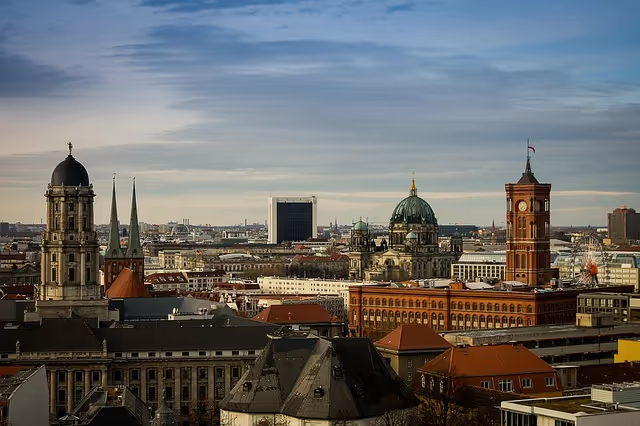
1. Brandenburg Gate – Symbol of Unity and Freedom
The Brandenburg Gate is Berlin’s most famous landmark, standing proudly on the Unter den Linden boulevard. Once part of the Berlin Wall's border strip between East and West Berlin, it witnessed Napoleon's occupation, Nazi parades, Cold War standoffs, and finally, the celebration of reunification. It’s not just a beautiful monument—it's a powerful symbol of Germany’s resilience and unity.
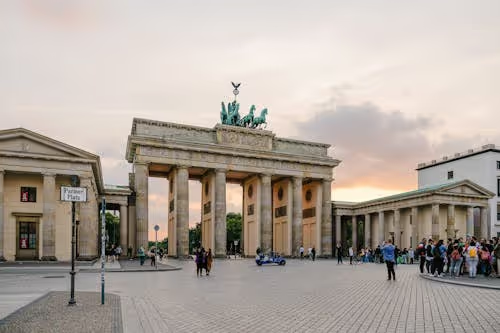
2. Berlin Wall Memorial – Experience the Reality of a Divided City
To truly understand Berlin's city's division, visit the Berlin Wall Memorial on Bernauer Straße. This open-air site preserves a segment of the original border strip, complete with a watchtower, visitor center, and detailed exhibitions. It’s one of the most emotional and educational Berlin landmarks, capturing everyday life during the Cold War era. The Berlin Wall was an 87 mile long concrete barrier that separated East and West Berlin.
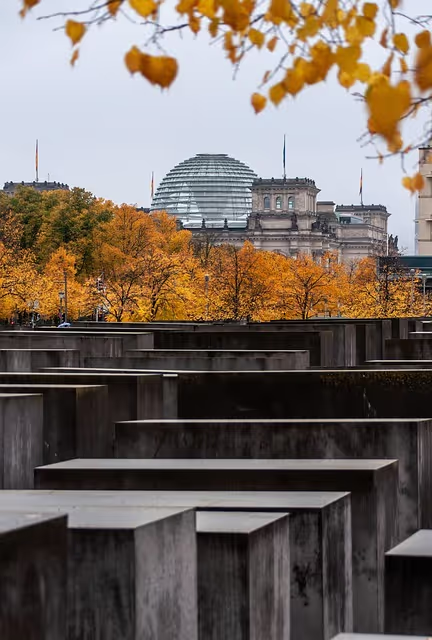
3. East Side Gallery – The World’s Largest Open-Air Gallery
Stretching along the Spree River, the East Side Gallery is a 1.3 km-long section of the Berlin Wall now covered with murals by various artists. It stands as the largest open-air gallery in the world, blending art, memory, and protest. This landmark connects past and present, making it one of the most vibrant historical and cultural attractions in Berlin.
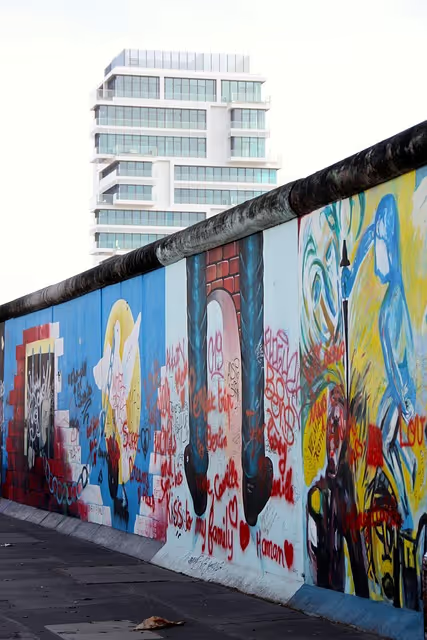
4. Reichstag Building – Where German Democracy Lives
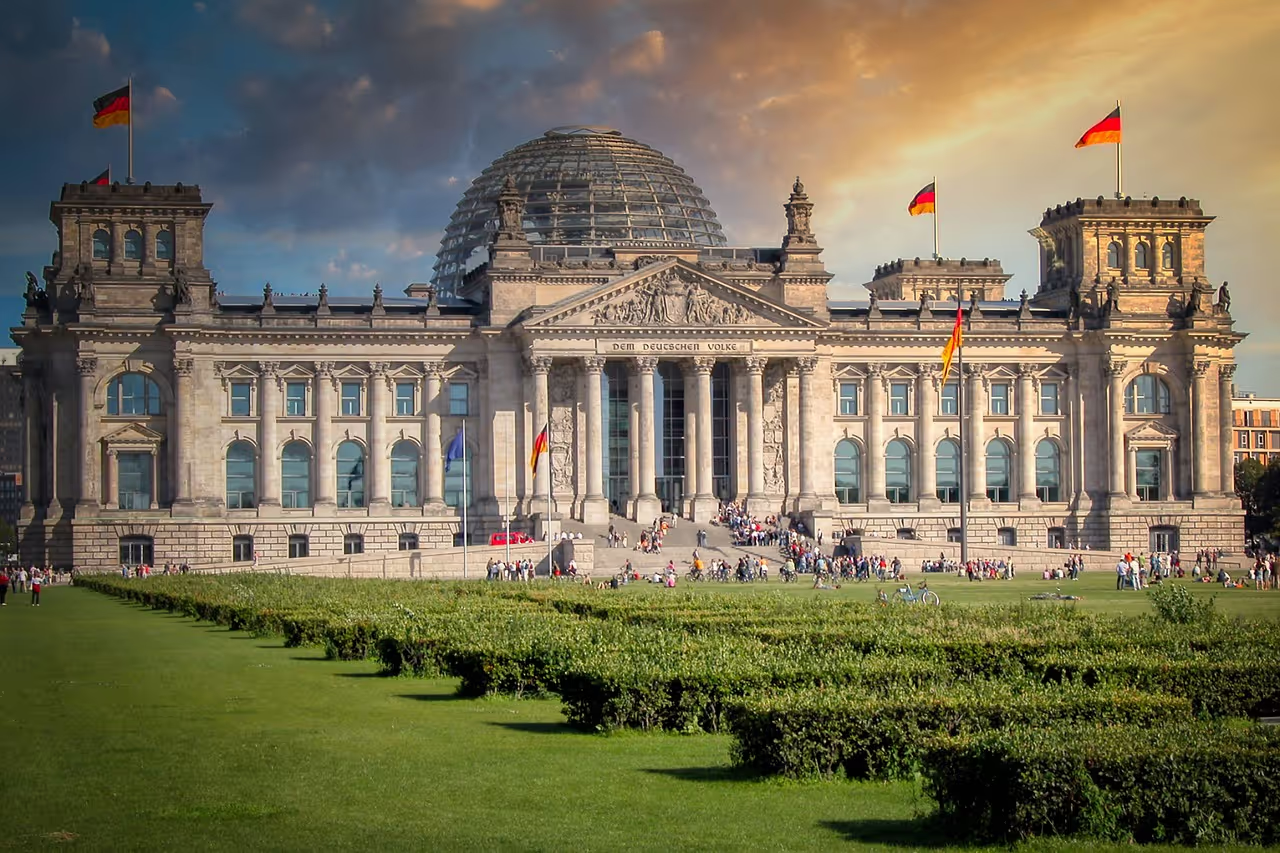
The Reichstag Building, home to the German Parliament, is a beautifully restored icon of German history. Heavily damaged during World War II, it was reconstructed after the fall of the Berlin Wall with a stunning glass dome symbolizing transparency in democracy. From the rooftop, visitors enjoy sweeping views of the city, including the nearby TV Tower and Museum Island. The Reichstag building is the seat of the German parliament and offers free guided tours.
5. Holocaust Memorial – Honoring the Murdered Jews of Europe
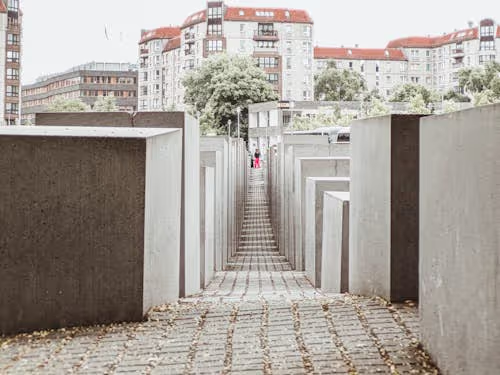
Near the Brandenburg Gate stands the Holocaust Memorial, formally known as the Memorial to the Murdered Jews of Europe. The Holocaust Memorial is a vast granite maze covering 19,000 square meters that remembers the millions of European Jews murdered by the Nazis.
6. Checkpoint Charlie – Where Cold War Tensions Peaked
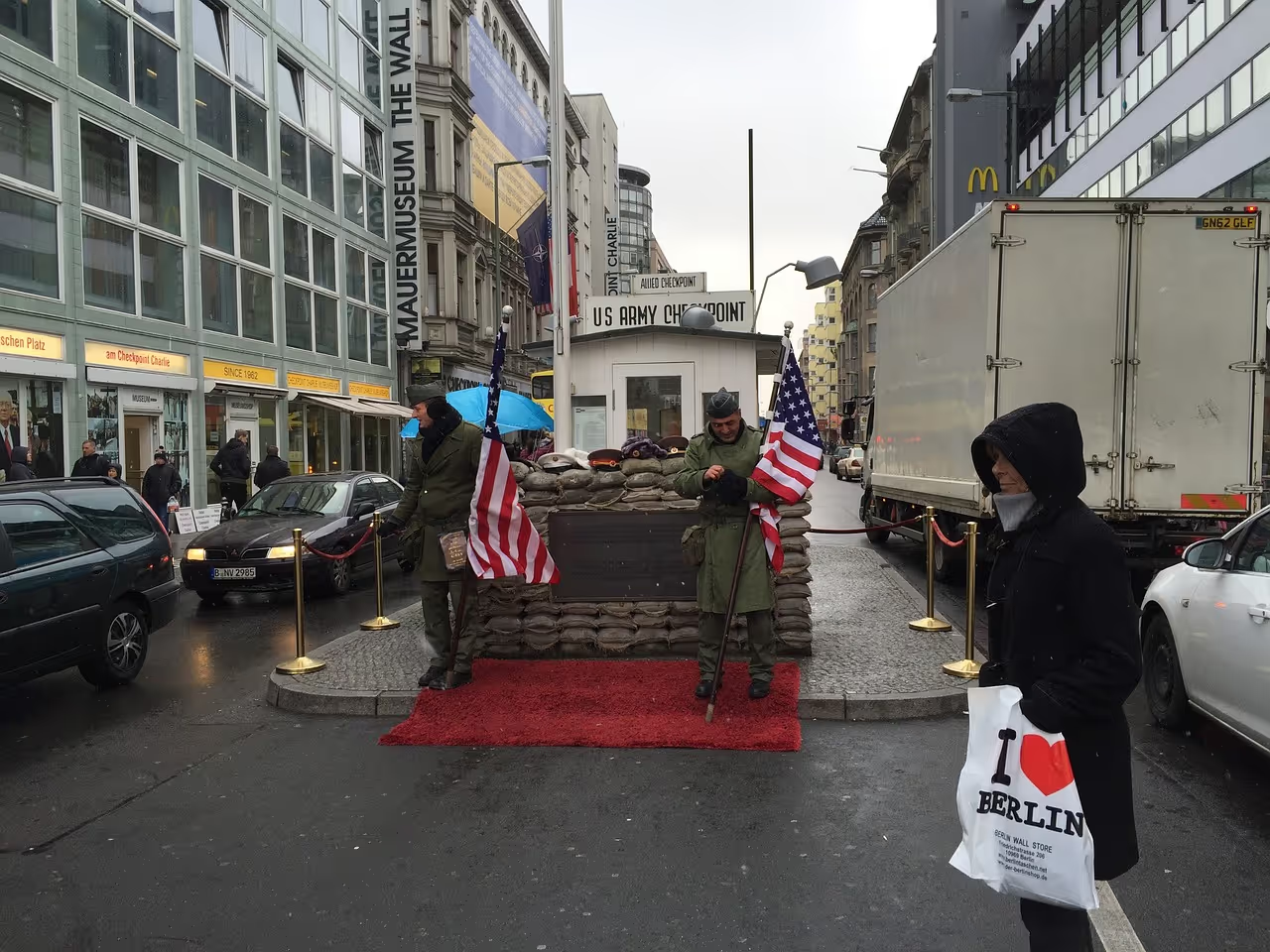
Checkpoint Charlie was the most famous crossing point between East and West Berlin during the Cold War. Today, the site includes a replica checkpoint and a museum with detailed stories of escapes, espionage, and life in a divided city. It remains one of the most visited historical sites in Berlin, especially for those intrigued by Cold War history.
7. Museum Island – Where Art and History Meet
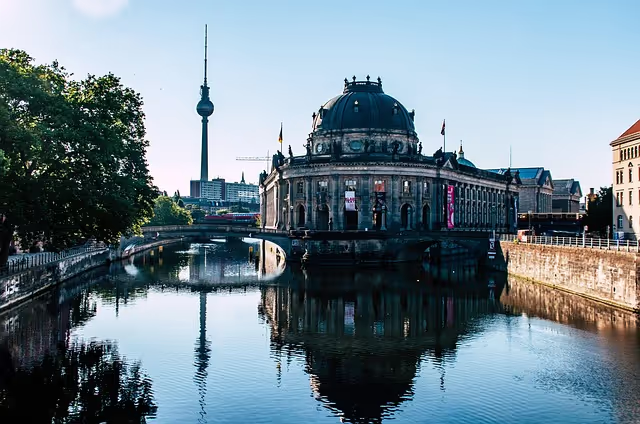
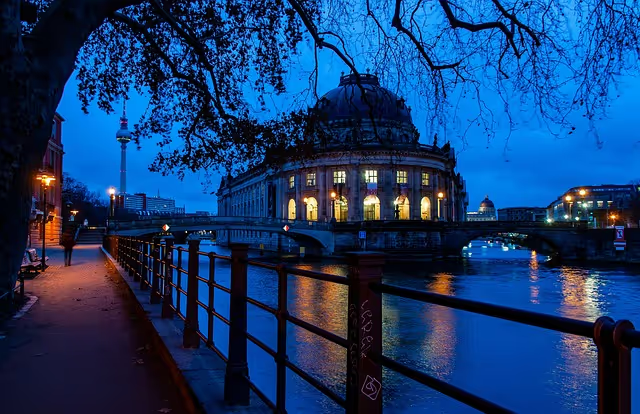
Located on the Spree River, Museum Island is a UNESCO World Heritage Site home to five world-class museums. From the Pergamon’s ancient wonders to the Altes Museum’s treasures of the German Empire, this cluster of institutions showcases human achievement across centuries. It's also one of the top things to see in Berlin for lovers of art, architecture, and history.
8. Berlin Cathedral & City Palace – A Glimpse of Imperial Berlin
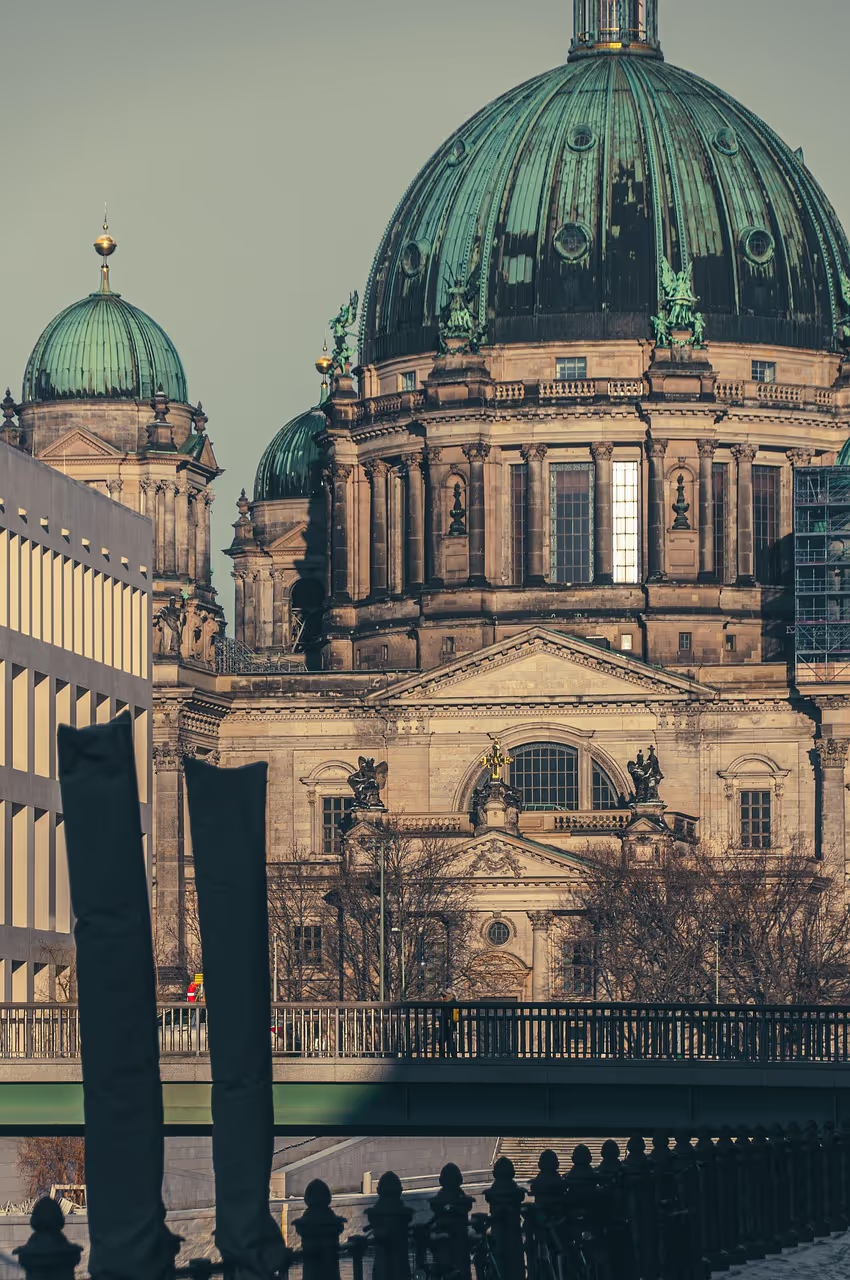
On Museum Island, you’ll find the stunning Berlin Cathedral and the newly rebuilt City Palace, now the Humboldt Forum. These historical buildings celebrate Berlin’s Prussian heritage and house major exhibitions on world cultures, science, and German history. Attend concerts or take a guided tour to experience Berlin’s grand royal past.
9. Topography of Terror – Facing the Dark Past
This haunting memorial and museum is built on the site of the former SS and Gestapo headquarters. The Topography of Terror chronicles the rise of the Nazi regime and its crimes during the Third Reich. Outdoor remains of Gestapo cells and deep archival content make this one of the most sobering historical sites in Berlin.
10. Nikolai Quarter – Where Berlin Was Born
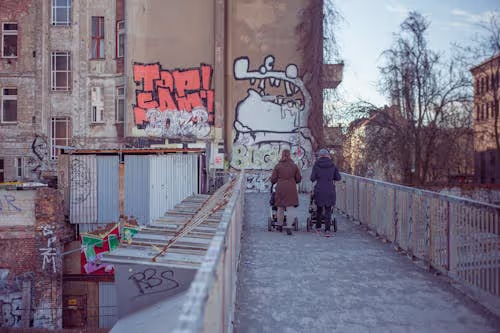
The Nikolai Quarter (Nikolaiviertel) is Berlin’s oldest residential area, lovingly reconstructed after World War II. With cobblestone streets, cozy cafes, and church spires, it offers a peaceful look at everyday life in pre-modern Berlin. This area is perfect for anyone looking to explore the past beyond politics and war.
11. Sachsenhausen Memorial – A Harrowing Day Trip
A short train ride from Berlin, the Sachsenhausen Concentration Camp Memorial tells the story of thousands imprisoned and murdered under the Nazi regime. It's a deeply moving experience for those wishing to understand the full impact of the Holocaust and the Second World War. Many take a guided tour to appreciate the gravity and context of this tragic site.
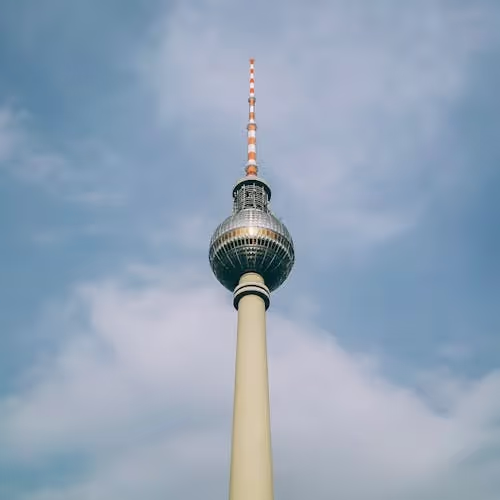
12. TV Tower – A Cold War Icon with a Panoramic View
Built by East Germany in 1969 to showcase socialist power, the TV Tower still dominates Berlin’s skyline. Located near Alexanderplatz, it offers 360° views of the city and is one of the best ways to understand Berlin’s layout—from Checkpoint Charlie to the Berlin Wall remnants. This site blends architecture, Cold War history, and awe-inspiring sights.
FAQs
What is the most historic part of Berlin?
The most historic part of Berlin is Museum Island, a UNESCO World Heritage Site located on the Spree River. It houses five world-renowned museums, the Berlin Cathedral, and offers a rich glimpse into ancient and modern German history.
What is the most famous sight in Berlin?
The most famous sight in Berlin is the Brandenburg Gate, a neoclassical monument that once symbolized the divided city and now stands for German unity. It is one of the most iconic Berlin landmarks and a must-visit for anyone exploring the city’s historical sites.
What history to see in Berlin?
In Berlin, visitors can experience a wide range of historical places—from the Berlin Wall Memorial and the East Side Gallery to the Reichstag building, the Holocaust Memorial, and the Topography of Terror Museum, which document pivotal events from the Cold War, World War II, and the Nazi regime.
What is the famous monument in Berlin?
The Berlin Wall is arguably the most famous monument in Berlin. Though mostly dismantled, sections like the East Side Gallery and the Berlin Wall Memorial remain powerful symbols of the city’s division during the Cold War and its eventual reunification.
What is the most historic place in Germany?
One of the most historic places in Germany is Berlin, the nation’s capital. With landmarks such as the Brandenburg Gate, Charlottenburg Palace, and Museum Island, it offers an immersive look into the German Empire, the Second World War, and post-war division and reunification.
Final Thoughts: Berlin, A City of Memory and Meaning
From the Brandenburg Gate to the East Side Gallery, Berlin invites you to walk through the past. These historical sites don’t just tell stories—they let you feel them. Whether you’re fascinated by the Cold War, the World Wars, or the rise and fall of empires, Berlin offers a journey through time like no other city in Europe.
So, pack your bags, grab your camera, and get ready to visit Berlin—a city where history lives on in every street, monument, and wall.
Read Next: Berlin's Top 10 Must-Try Restaurants for Food Lovers